A New Hands-On Science Activity for Our Biology-Focused School Tours
Our educators just wrapped up a three-day entomology training with one of Costa Rica’s leading field scientists, and it opens up a great addition to biology-focused itineraries: a guided, hands-on insect study session built right into a night at camp.
Here’s what happened, and how it fits into a student trip.
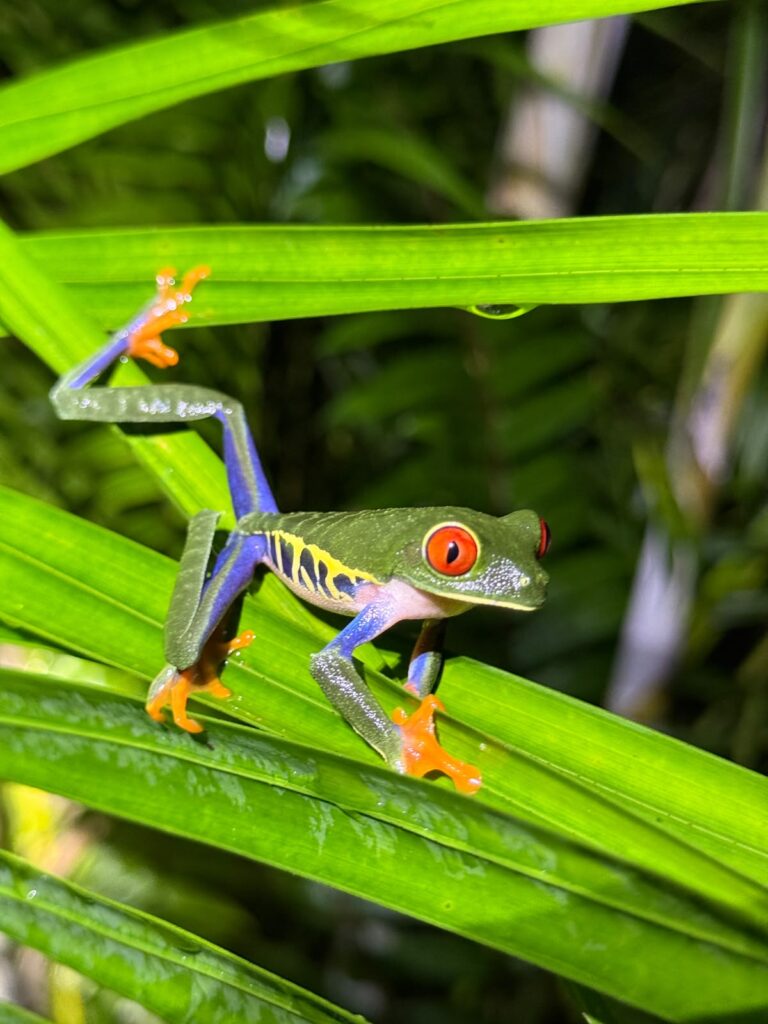
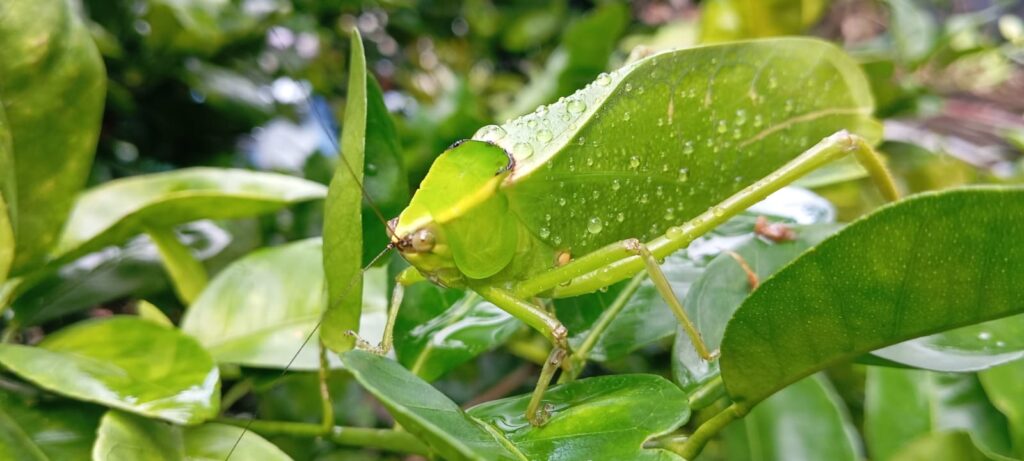
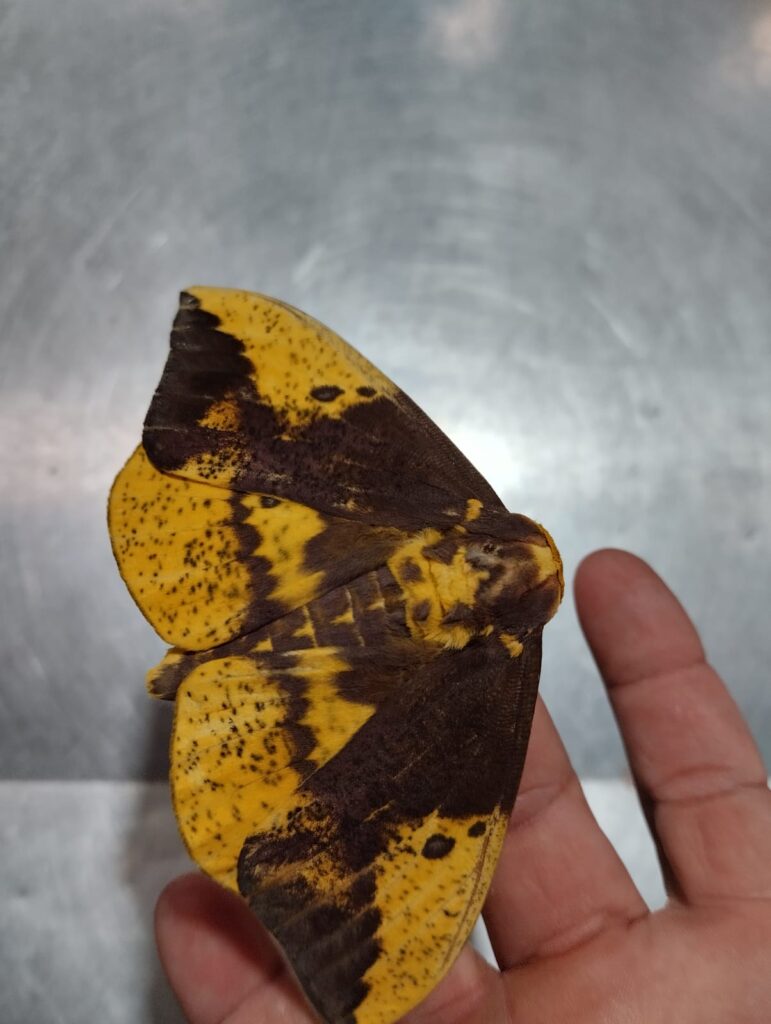
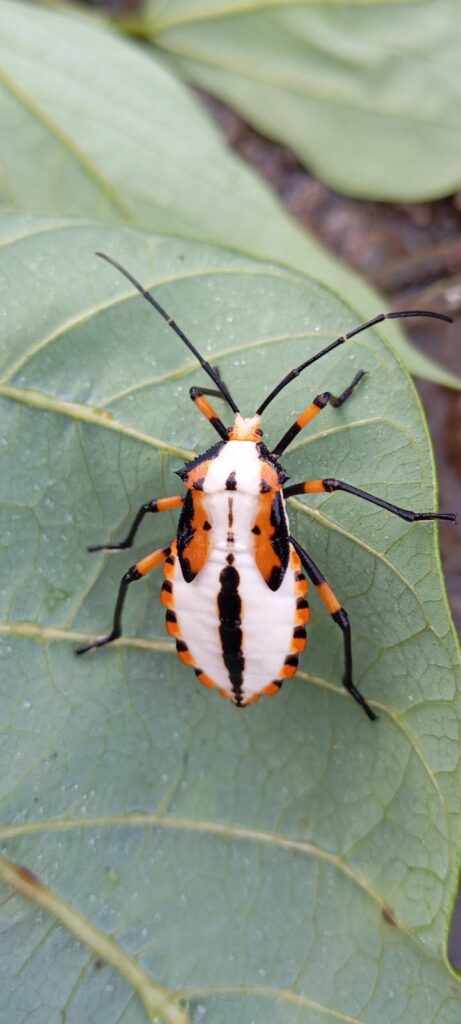
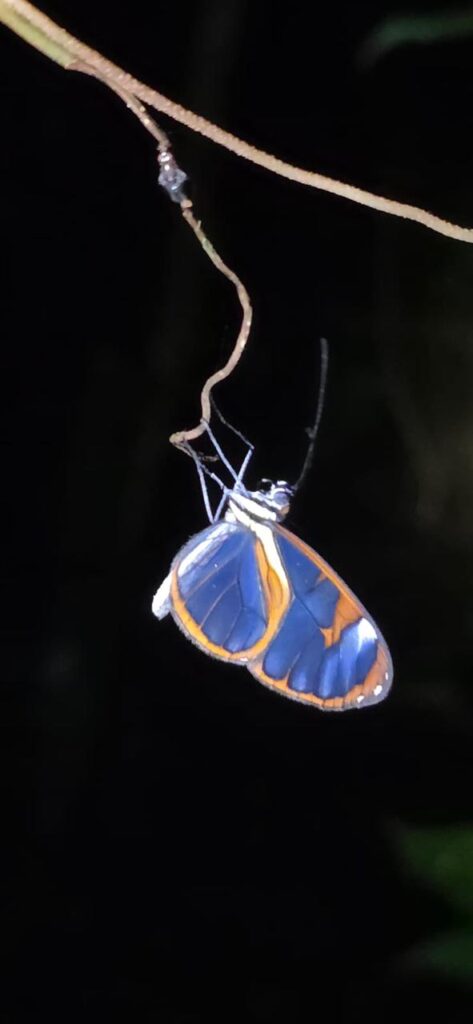
The Training
Jim Cordoba, founder of BioSur Foundation and one of the most respected entomologists in Costa Rica, spent three days with our team teaching them the insect life of the Pacuare rainforest. Jim has discovered more than 30 new species of butterflies and beetles, co-authored the most complete wildlife field guide in the country, and runs the Insectopia Museum, a collection of over 8,000 specimens tied to a new environmental education center on the Osa Peninsula.
That matters for us because our guides are the ones leading your students through the forest. Now they’re equipped to lead a real, structured entomology activity instead of just pointing out the occasional beetle along the trail.
What the Activity Looks Like
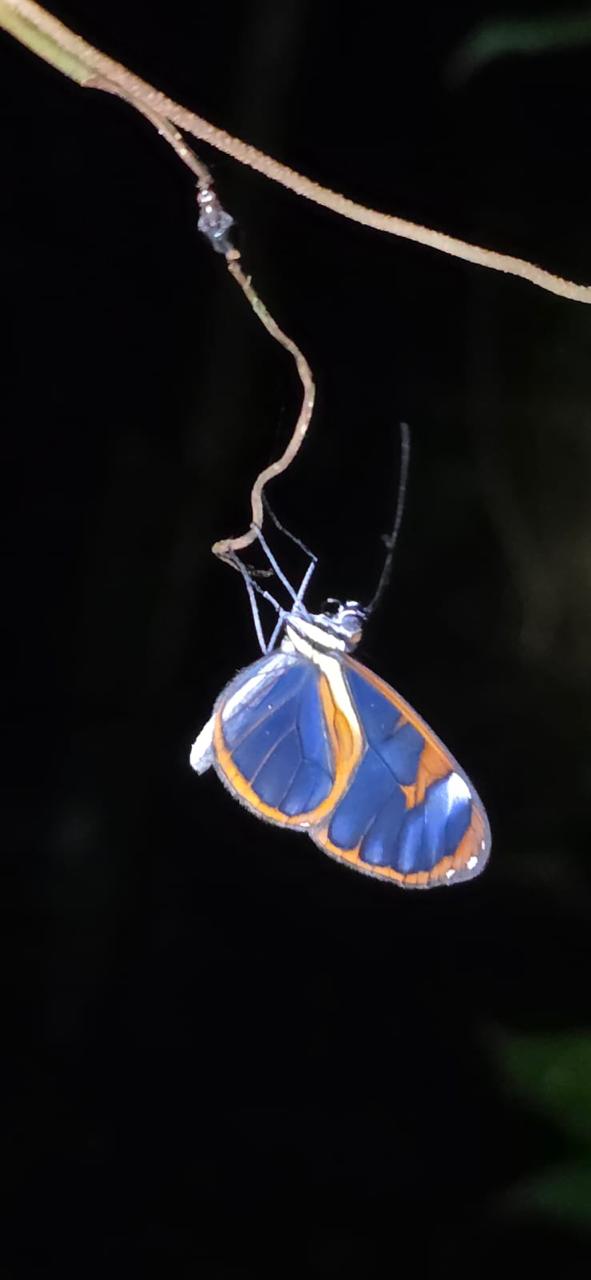
Part of the training centered on a light trap, a simple setup using a white sheet lit by a regular light and a UV blacklight. Within a couple of hours of setting it up in camp, it was covered in insect activity.
For a student group, this becomes an evening activity that’s part science lesson, part discovery. Students watch a blank sheet slowly fill with dozens of species in real time, then work with a guide to observe, identify, and talk through what they’re seeing. It’s hands-on in a way that’s hard to replicate in a classroom.
Why It Fits a Biology-Focused Trip
This activity gives teachers and program leaders a concrete way to tie a rainforest excursion back to core biology concepts:
- Biodiversity and classification. Students see firsthand how much diversity exists in a small area, and get practice observing and categorizing what they find.
- Adaptation. A guide can point out camouflage, mimicry, and other survival strategies as they show up on the sheet in real time, rather than as a diagram in a textbook.
- Food webs and ecosystems. Insects sit at the base of almost every food web in the rainforest. This activity is a natural jumping-off point for a bigger conversation about how the ecosystem fits together.
- Climate change, with local data. Jim’s own research has tracked shifts in insect size and timing tied to changes in rainfall. It’s a real, local example of climate impact that students can connect to their own studies back home.
It also pairs well with a broader itinerary. A student group already doing river ecology, birdwatching, or a rainforest hike has natural bridges into a night session like this, and it adds variety to the day without adding travel time, since it happens right in camp.
For Teachers and Group Leaders
This is guide-led, not self-directed, and built around the same safety standards we hold for every POC activity. It works well as an evening session after a full day of other programming, and it gives students a break from screens and a reason to actually slow down and look closely at something.
If you’re building or refreshing a biology-focused itinerary with us, this is worth adding. Reach out and we can talk through where it fits best in your group’s schedule.