The Missing Piece in Student Travel: Real Human Connection
There’s a pattern that repeats itself in Costa Rica student travel programs: a group flies in, completes a visible project, takes photos, and leaves. It looks productive. It checks a box. But it often misses something more important — something harder to measure and far more lasting.
What’s missing is genuine human connection.
The gap nobody talks about
A lot of conversation today focuses on younger generations and screen time. But that conversation usually stops there. What gets less attention is the flip side: older generations who are increasingly cut off from meaningful time with young people.
Students are more digitally connected than ever, yet often less practiced at face-to-face conversation — especially with people from different generations. Meanwhile, many older adults rarely get the chance to share their stories with anyone outside their immediate circle.
That gap runs in both directions.
A different kind of cultural immersion
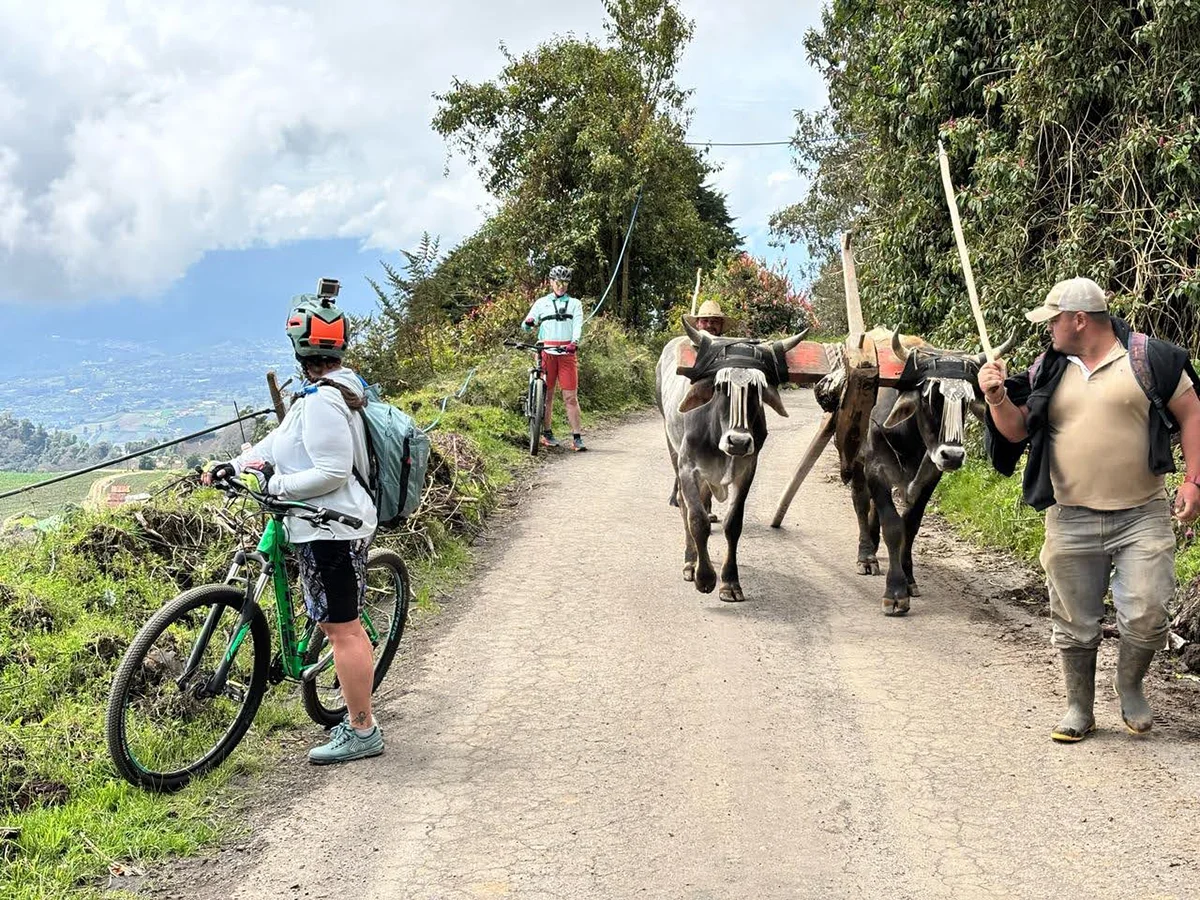
A well-designed travel experience can close that gap, but only if it goes beyond passive or transactional activities. Instead of short-term projects, the focus shifts to sitting down with community members and having real conversations — asking questions that don’t have scripted answers, listening to stories and perspectives and humor that no classroom can replicate.
Students might find themselves interviewing an elder about their life, working through language differences, figuring out how to communicate beyond rehearsed phrases. These moments are unpredictable, sometimes awkward, and tend to be the ones people actually remember.
Why it works
These kinds of interactions do something structured activities can’t. You can’t scroll your phone while trying to follow someone’s life story in another language — it demands presence. Students learn how to engage, ask questions, and adapt on the fly. And there’s a real difference between reading about a culture and sitting across from someone who has lived it for decades.
The impact goes both ways, too. Students leave with a broader view of the world. Community members feel genuinely seen.
What good engagement actually looks like
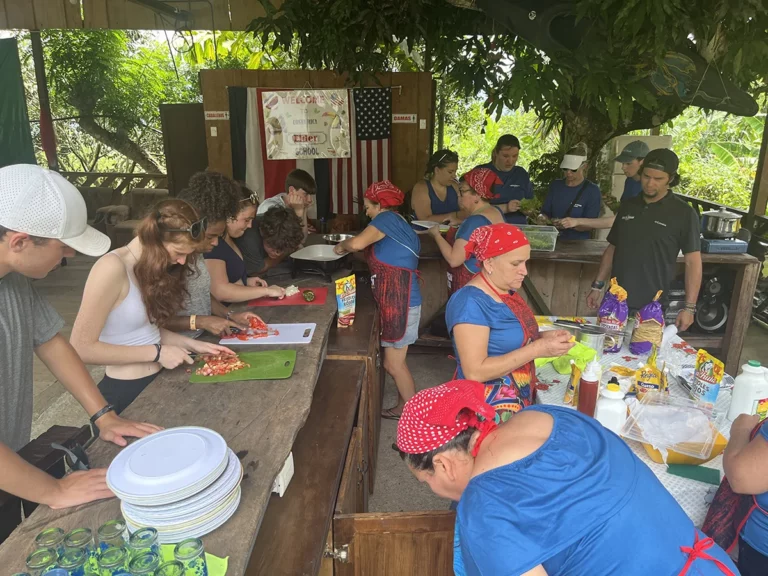
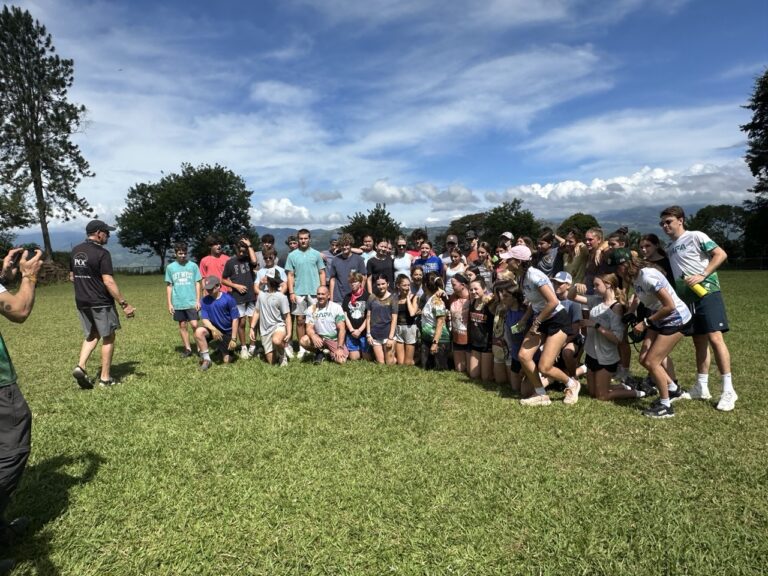
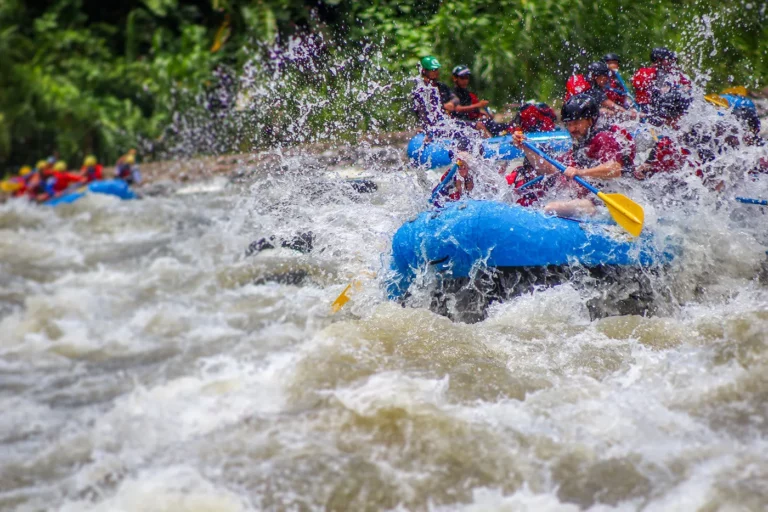
When students are active participants rather than observers, the whole energy shifts. Conversations happen naturally. Laughter shows up without anyone engineering it. Layer in structured-but-flexible activities — small group challenges, local guides, hands-on cultural experiences — and students stay engaged all week without needing constant prodding.
Beyond the “impact” model
There’s nothing wrong with service-based travel. But not all meaningful impact is visible. Painting a building gives you something to photograph. Building a relationship with someone gives you something harder to capture — and often harder to forget.
When students feel genuinely welcomed somewhere, when they share meals and stories and inside jokes, the experience stops being about what they did for a place and becomes about what they experienced with the people in it.
What they take home
At the end of a week like this, students don’t just remember what they saw. They remember the conversations that caught them off guard, the moments that made them laugh, the people who made them feel welcome somewhere new.
And they leave a little better at something that doesn’t show up on a transcript — knowing how to connect with people who are different from them. That turns out to be a skill worth having.