What to Expect in Costa Rica: Culture, Food & Daily Life
A Student’s Guide to Everyday Life and Culture in Costa Rica
Costa Rica’s culture is a fascinating blend of Indigenous heritage, Spanish colonial influence, and Afro-Caribbean traditions — all woven into a surprisingly modern, relaxed way of life. If you’re heading there for a student trip, knowing what to expect day-to-day will help you connect more meaningfully with the people and places you’ll encounter.
What People Wear
During festivals and school performances, you might spot Costa Rica’s traditional folkloric dress. Women wear long, colorful layered skirts paired with off-the-shoulder blouses, while men wear white shirts, long pants, a red sash, and a traditional white hat called a chonete. These styles have roots in Spanish colonial culture and come out mainly for celebrations and traditional dances.
Day-to-day, though, locals — affectionately called Ticos (men) and Ticas (women) — dress much like people in the U.S. or Europe: jeans, t-shirts, sneakers. Light, breathable clothing makes sense in the tropical climate, but you’ll find that jeans are worn year-round regardless of the heat. City dwellers tend to dress a bit more polished, while beach towns lean casual.
Getting Around
Buses are the lifeblood of Costa Rican transportation and reach most parts of the country — they’re affordable, though routes can be slow and indirect. Within the greater San José area and Central Valley, commuter trains are also available. Taxis and ride-hailing apps like Uber are common in cities.
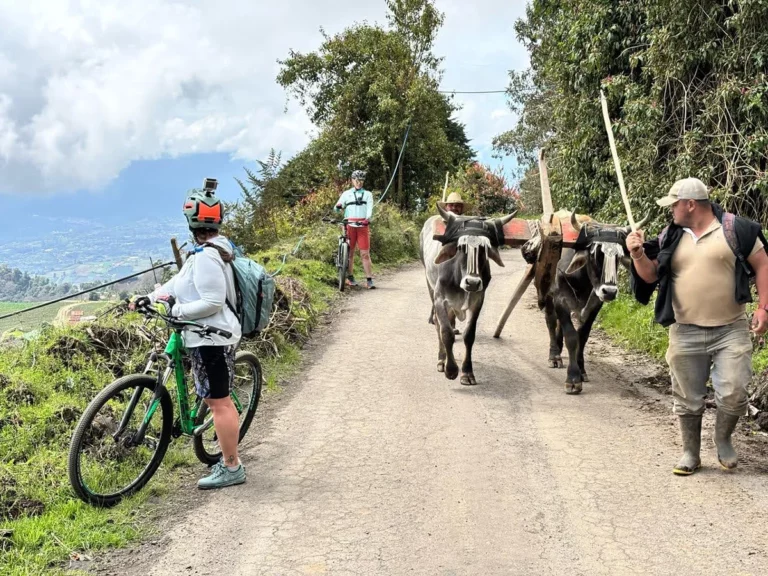
Many locals own cars or motorcycles, which makes sense given that road conditions can vary a lot, especially in rural areas. Don’t be surprised by unpaved roads even in places that look close on a map.
What to Eat
Costa Rican food is hearty, fresh, and built around a few beloved staples: rice, beans, plantains, and protein.
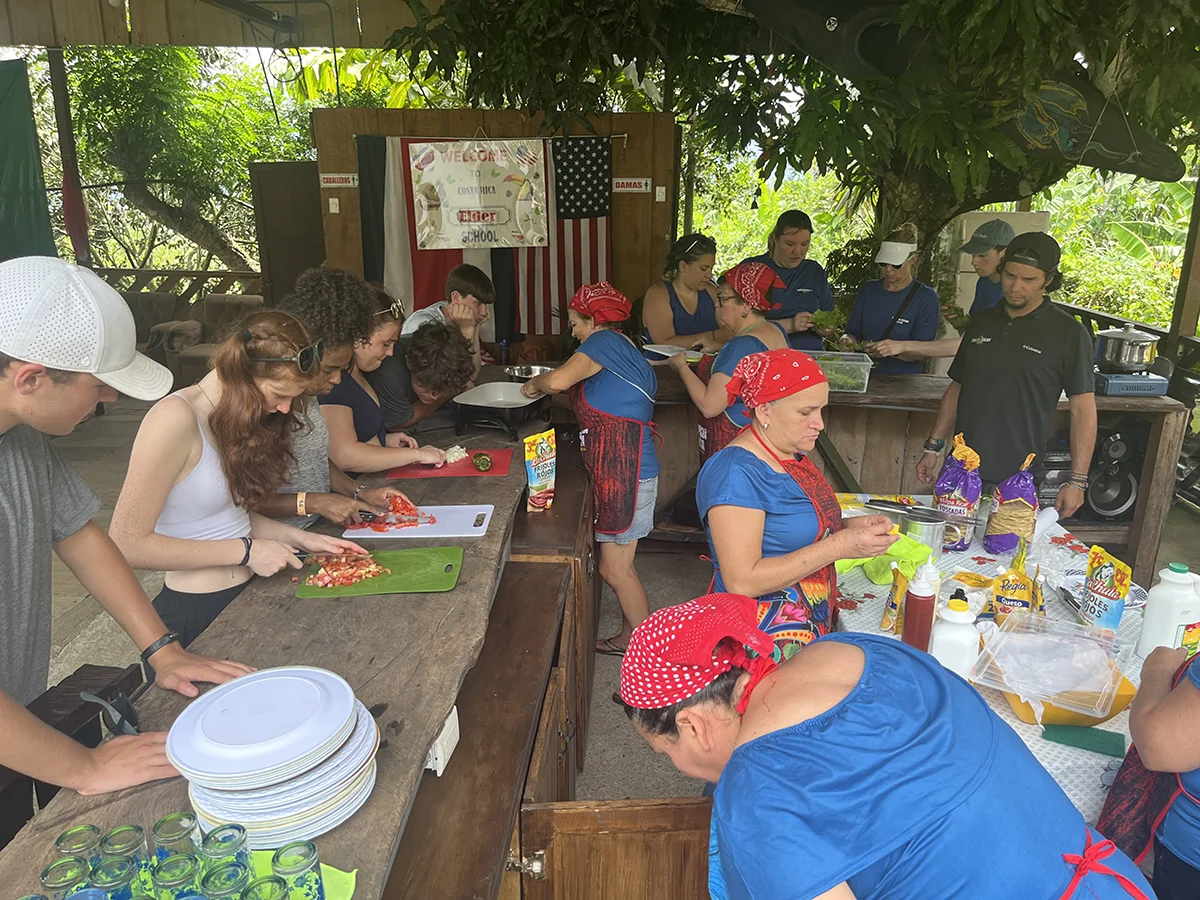
Breakfast typically means gallo pinto — a flavorful mix of rice and beans — served alongside eggs, fried plantains, bread or tortillas, and sour cream. Coffee is non-negotiable; Costa Rica produces some of the world’s best, and locals drink it throughout the day.
Lunch is usually the biggest meal. The classic casado is a plate that includes rice, beans, a protein (chicken, fish, pork, or beef), salad, fried sweet plantains, and a vegetable dish called picadillo. Dinner tends to be lighter.
Around mid-afternoon, many people take a cafecito break — a small cup of coffee with bread or pastries. It’s a tradition worth joining.
A few other dishes to know: arroz con pollo (rice with chicken) is a crowd favorite at celebrations; tamales are made traditionally at Christmas; and empanadas filled with beans, cheese, or vegetables are available year-round.
Daily Life and Social Culture
Costa Ricans place a high value on family and community. Weekends are often centered around extended family gatherings, and outdoor activities — beach trips, hiking, exploring the country’s remarkable national parks — are a natural part of life.
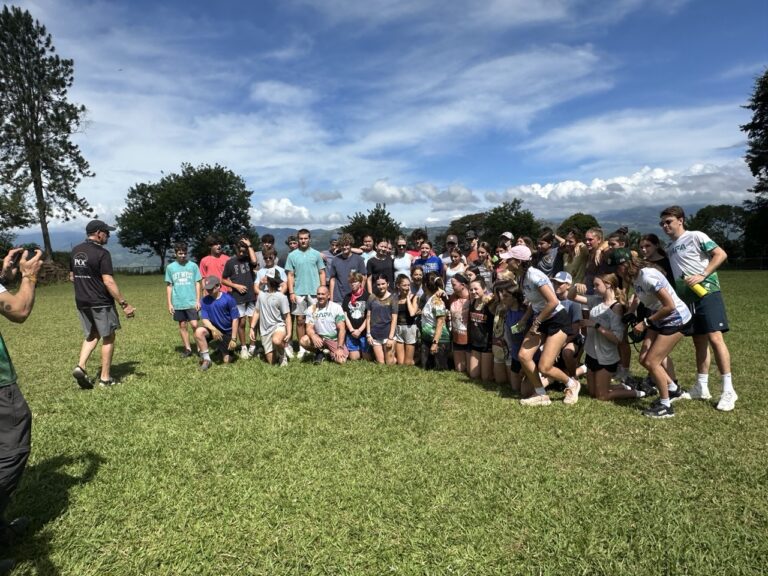
Soccer (called fútbol here) is a national obsession. The Costa Rican national team, known as La Sele, is a major source of pride, and pickup games happen everywhere. If you get invited to play, say yes.
About half the population identifies as Roman Catholic, with a significant portion identifying as Protestant or other Christian denominations. Religion shapes many traditions and holidays, though everyday life isn’t particularly formal or strict about it.
A Diverse Country
Costa Rica’s population reflects a rich mix of backgrounds — European, Indigenous (Amerindian), African, and Asian ancestry all contribute to the national identity. There are eight recognized Indigenous groups, including the Bribri, Cabécar, and Boruca, who maintain distinct languages, traditions, and territories, primarily in protected regions.
Along the Caribbean coast — particularly around the province of Limón — Afro-Caribbean culture has had a deep influence on the local food, music, and dialect. If your trip takes you to that side of the country, you’ll notice the difference immediately.
Festivals Worth Knowing
Romería (August 2) is one of the most significant religious events of the year: a nationwide pilgrimage to the Basilica of Our Lady of the Angels in Cartago. Many participants walk long distances — sometimes for days — as an act of devotion.
Independence Day (September 15) marks Costa Rica’s independence from Spain in 1821. Expect parades, school bands, traditional music, costumes, and community-wide celebrations. The night before, on September 14, children carry handmade lanterns in parades that honor the way news of independence was spread across Central America by torch relay.
The Bottom Line
Daily life in Costa Rica is modern, warm, and community-oriented. Traditional culture is still very much alive, but it tends to surface most during celebrations rather than in everyday routines. Food, family, and a genuine sense of pura vida — the “pure life” philosophy Costa Rica is famous for — shape how people move through the world here.
Come curious, come hungry, and come ready to slow down a little. Costa Rica will reward you for it.