Cushing Academy
March 6 to March 14, 2027
Key Information
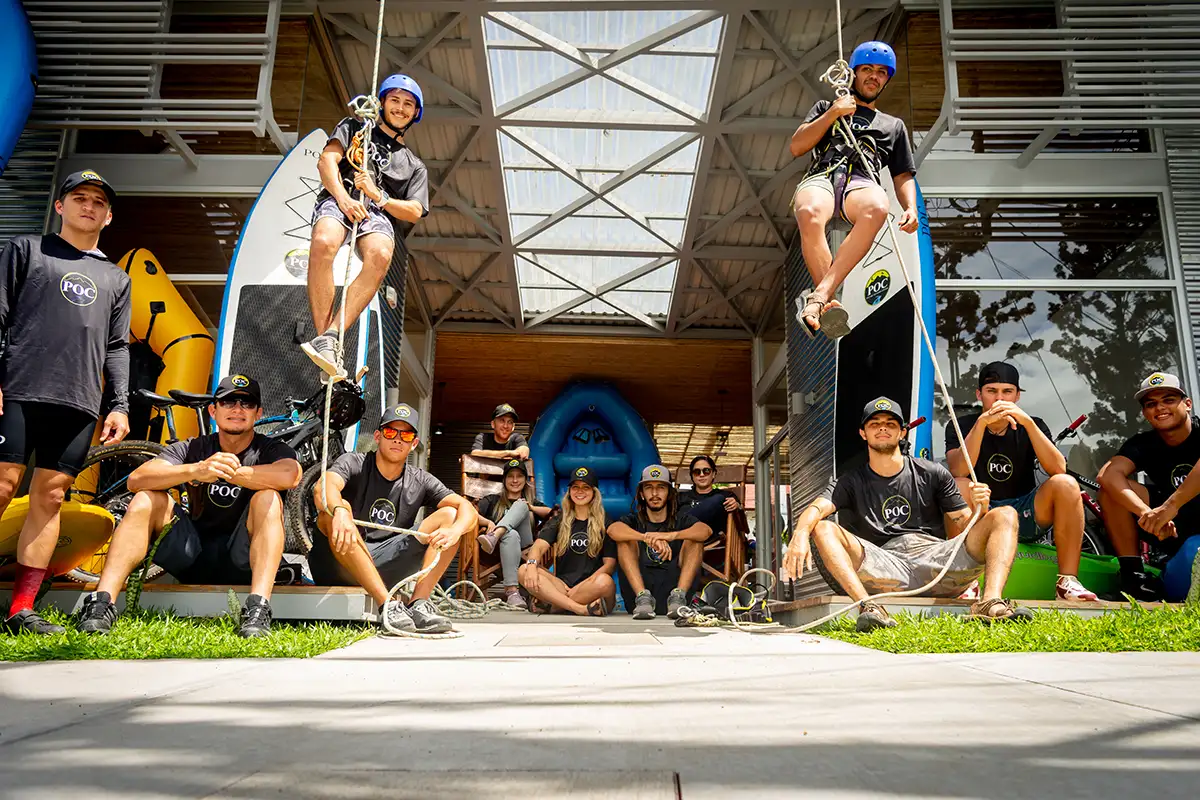
This is Costa Rica and our dedicated Team
Let yourself enjoy Costa Rica’s wild beauty, from the museums and markets of San Jose to the volcano, the cacao farm and the Caribbean reef. Along the way, raft the Pacuare River and soar through the rainforest on ziplines. This program blends cultural exchange and everyday Spanish with just the right touch of adventure.
March 6, Arrival
Your flight lands at Juan Santamaria International Airport in San Jose. Our team meets you at arrivals and takes you to the hotel. After a long travel day the evening is about settling in, with orientation over dinner so everyone knows how the week works.
March 7
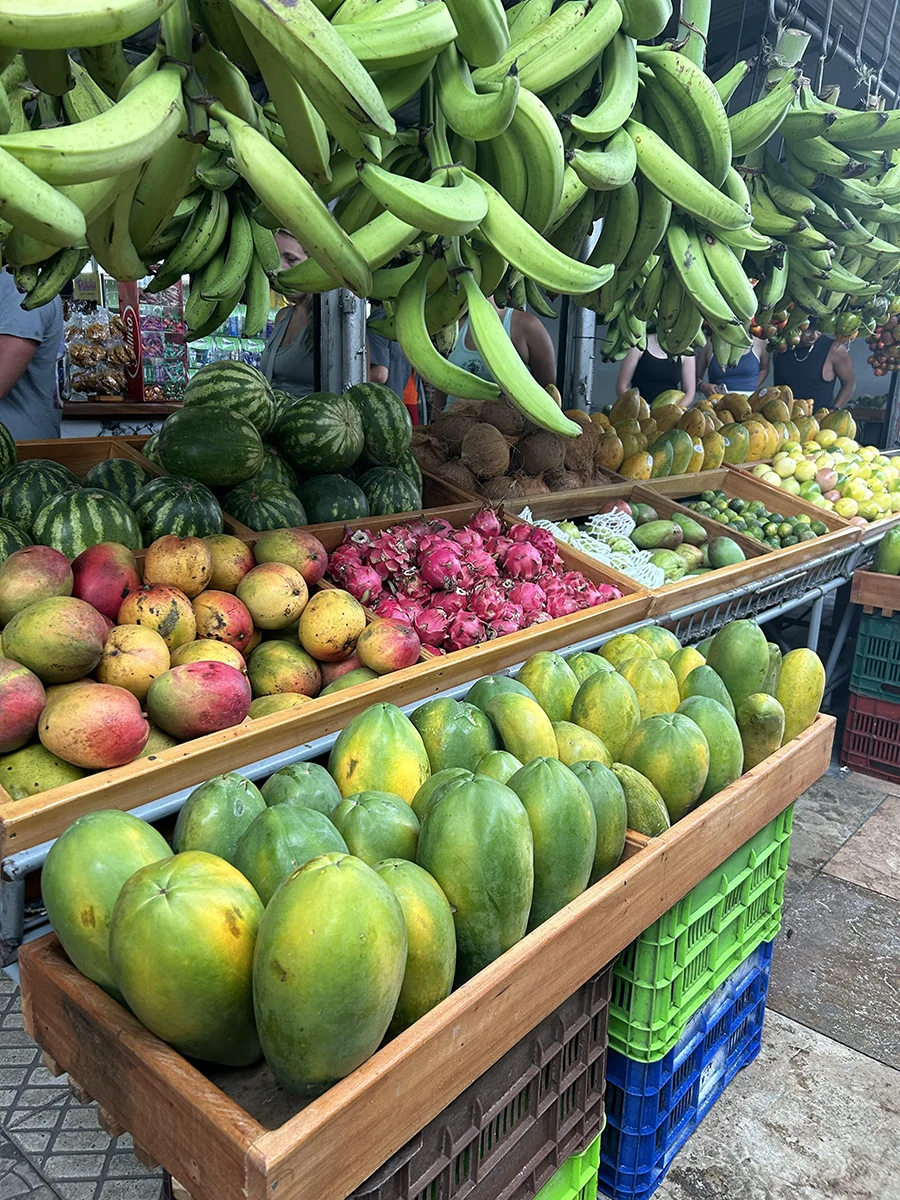
A full day in the capital. The Gold Museum and the Jade Museum hold the largest pre Columbian collections in the country and they are the clearest way into what was here long before Spanish was. The afternoon is the Mercado Central, not a tourist market but the one the city actually shops in, where the group orders, asks and buys with a guide alongside them, in as much Spanish as each student has. This is also where the trip photo essay starts, and where there is time to pick up the first souvenirs.
March 8
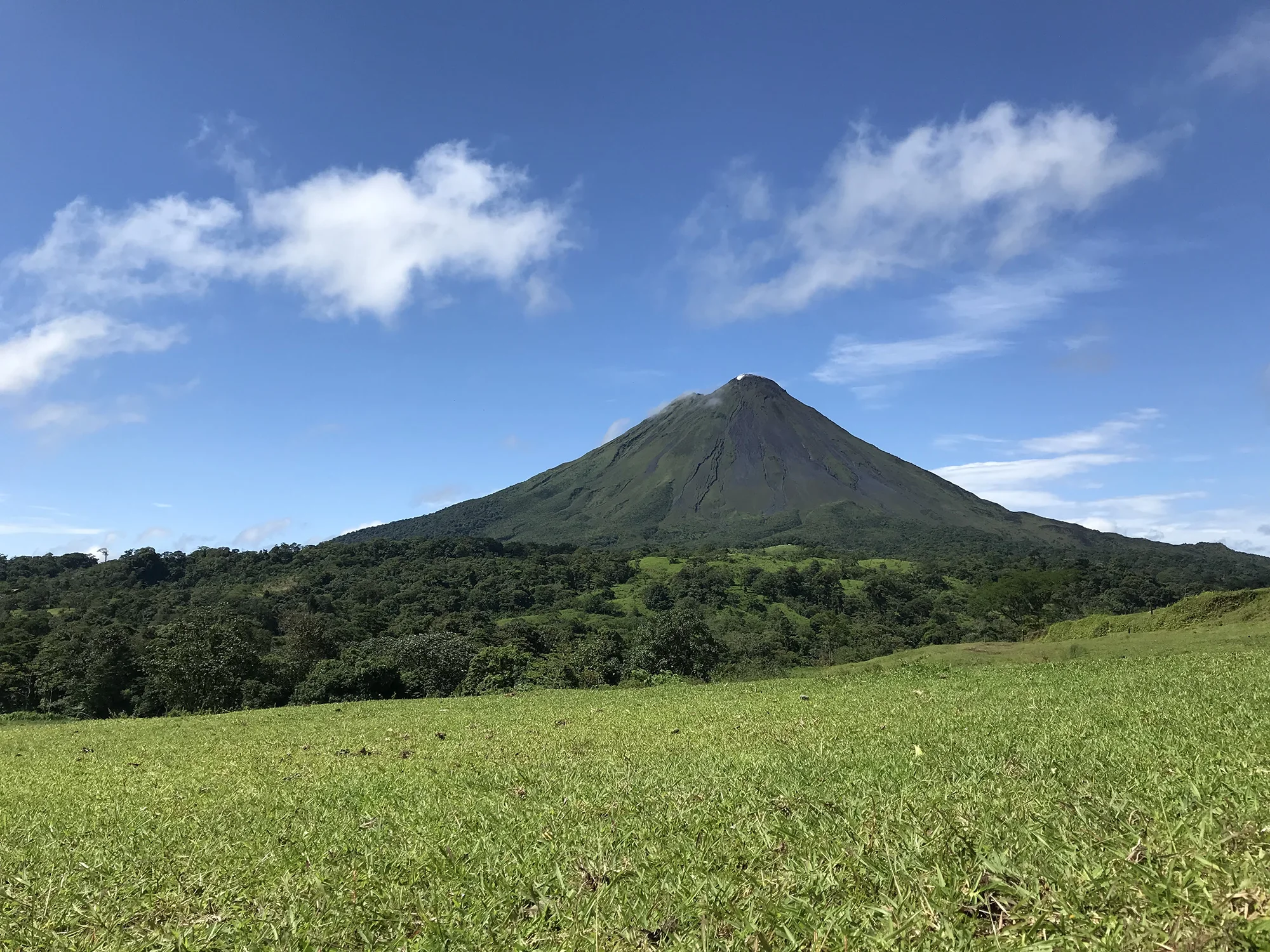
An early start for Irazu, standing on the rim of one of the country’s active craters while the air is still clear. The crater lake and the ground around it make the geology impossible to ignore, and it is the single best geology lesson in the country. We stop in Cartago on the way down and then continue east to Turrialba, our base for the next three nights.
March 9
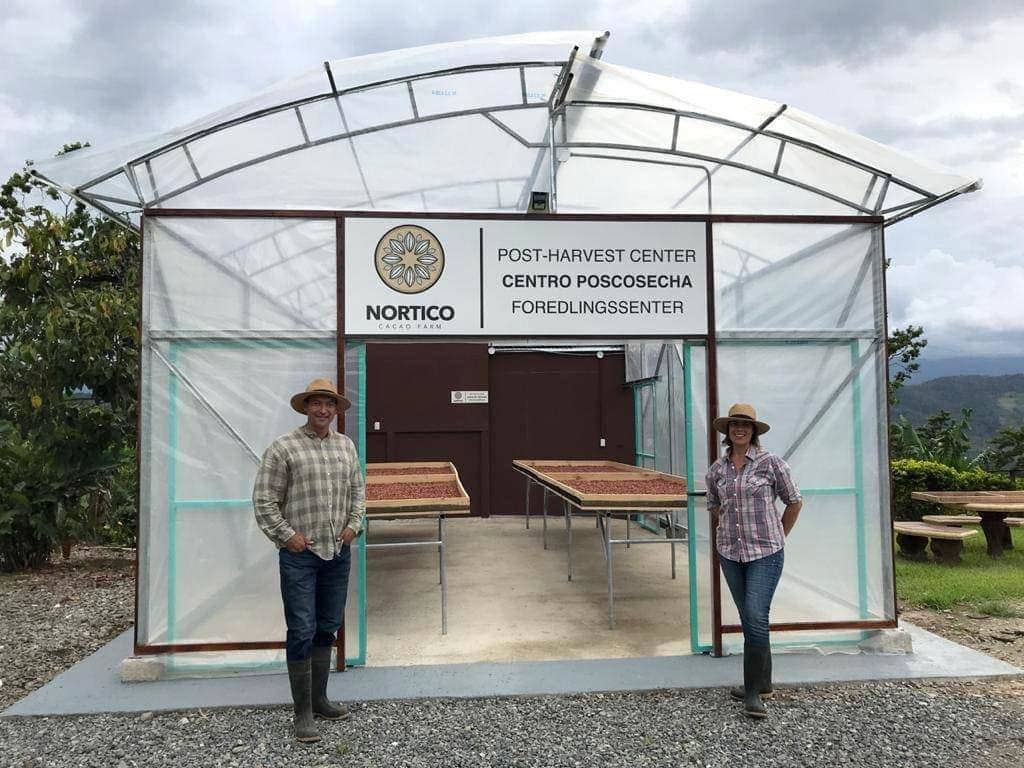
The cacao farm first, following the pod through fermentation, drying and roasting into something you can actually eat, which was the part your teacher group kept talking about afterwards. In the afternoon a trapiche, the mill where cane becomes mascabado sugar the way it has been done here for generations. Both are working farms rather than demonstrations.

March 10
Morning at the local market in Turrialba, where students work the stalls with a list and a budget. Anyone who wants to try it in Spanish has the guide beside them, and anyone who does not gets through it the way any traveller does, by pointing, counting and laughing at themselves. There is time here for souvenirs, and prices are better than in the capital. In the afternoon we join students at the local school. It is built around doing things together rather than sitting across from each other, so it works whether your students arrive with four years of Spanish or none, and it is usually the afternoon everyone talks about on the way home.

March 11
We leave Turrialba after breakfast and drive down to the Caribbean coast. The change lands immediately, in the language, the food and the music, and it is the side of Costa Rica most visitors skip entirely. The afternoon is for settling in.
March 12
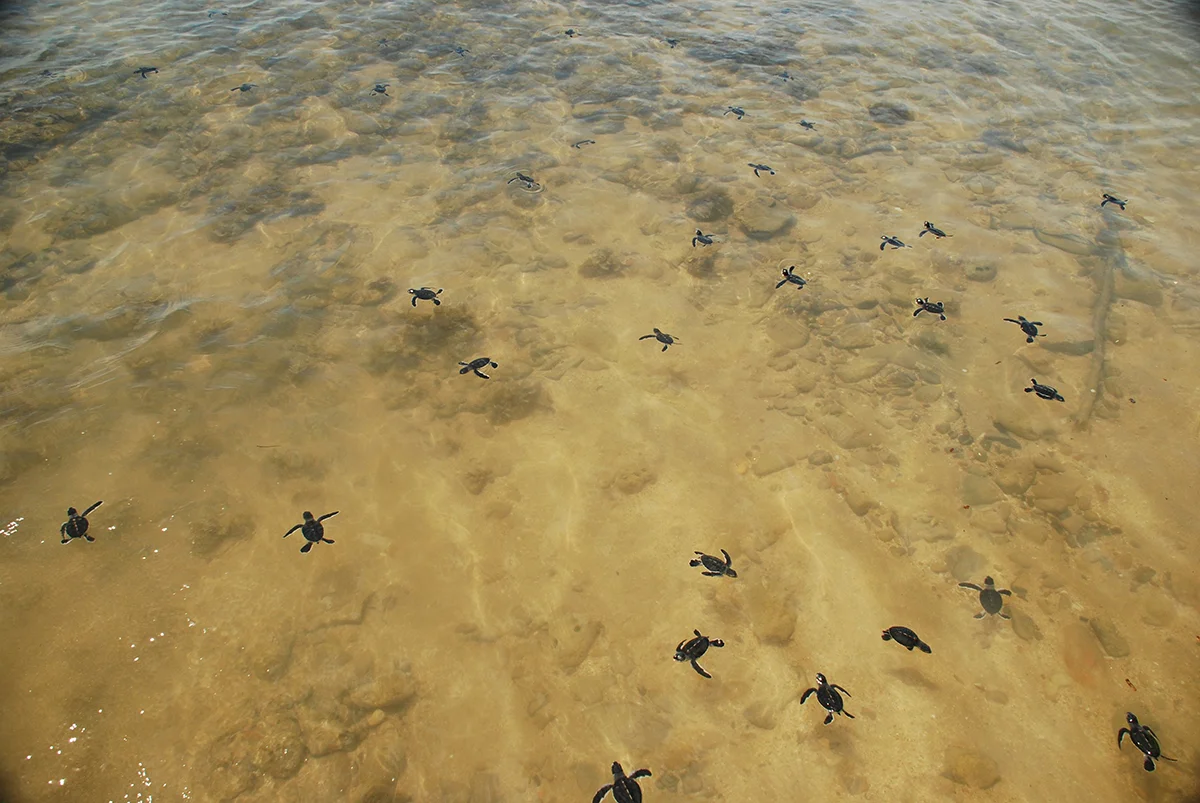
A full day on the coast with a marine guide, snorkeling the reef and working through what lives there, how the system holds together and what is putting pressure on it. There is time in the afternoon for the group to catch its breath before the last stretch of the trip.

March 13
We leave the coast in the morning and raft into our lodge on the Pacuare. The river is the only way in, so there is no road arrival and no gradual transition, you are simply somewhere else. Night hike after dinner with a naturalist guide, when the forest turns into a different place entirely.
March 14, Departure
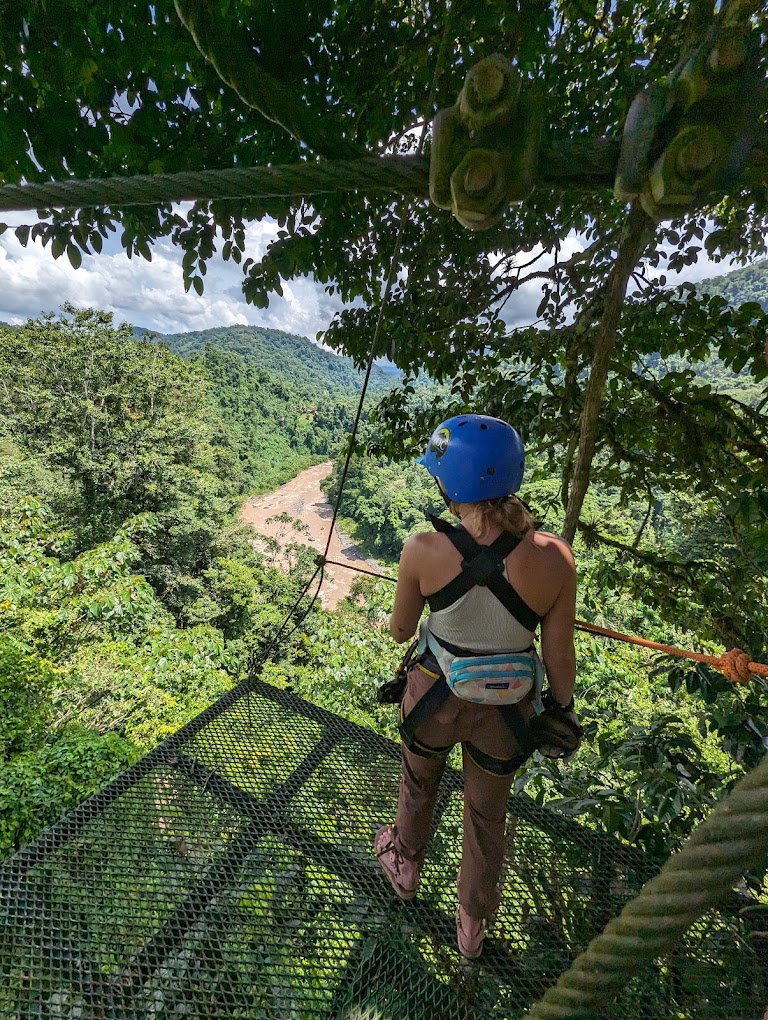
The zipline course and the Tarzan swing in the morning, then we leave the valley by vehicle and drive to the airport. Finishing on this side of the country keeps the last day short instead of racing across it. We get you there with time to spare, say our goodbyes, and send you home.
