Falmouth Academy
Eight days of field science, December 2027
Key Information
This is Costa Rica and our dedicated Team
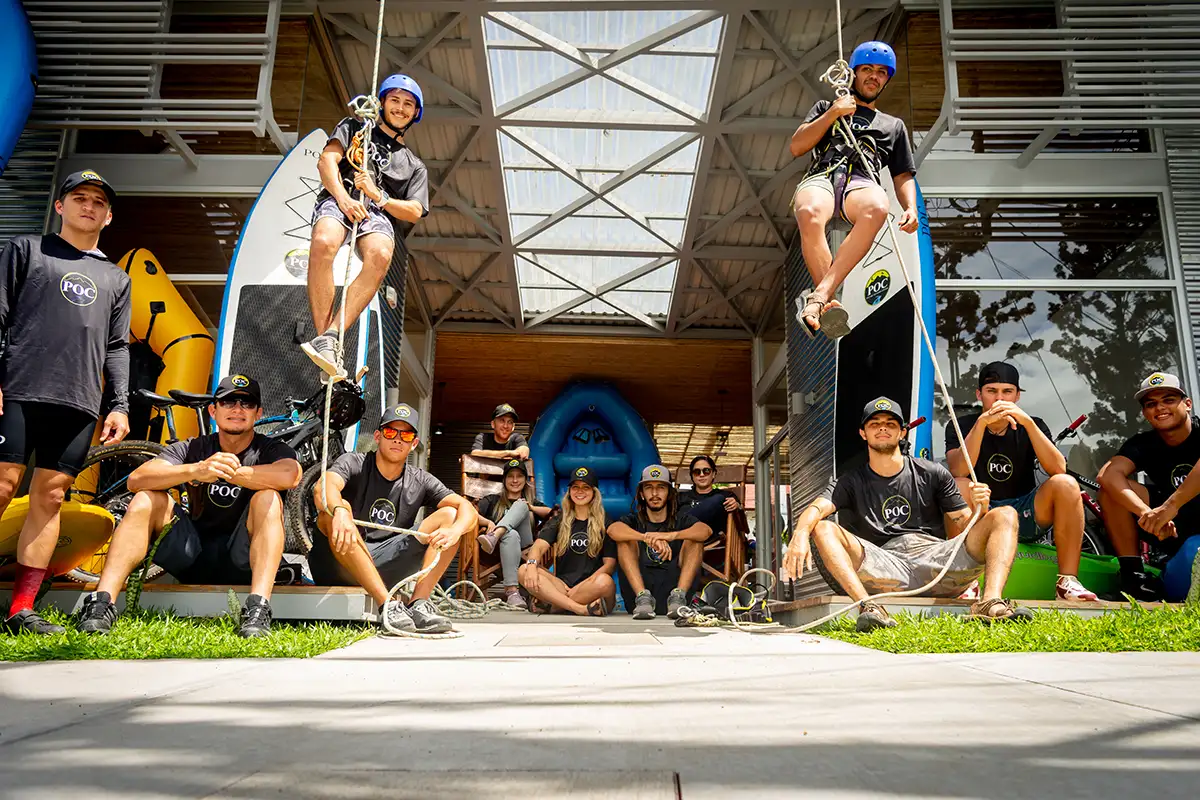
Let yourself enjoy Costa Rica with our amazing team, live with local families, practice Spanish in daily life, and give back through meaningful service projects that support both rural and Indigenous communities. Along the way, enjoy Costa Rica’s wild beauty with highlights like rafting the Pacuare River and soaring through the rainforest on ziplines. This program blends Spanish immersion, cultural exchange, and community service, with just the right touch of adventure.
Day 1, Arrival
Your flight lands at Juan Santamaria International Airport in San Jose. Our team meets you at arrivals and we drive straight east into the Turrialba valley rather than spending a night in the capital, which keeps a day of field time in the trip and a night of lodging out of the price. Orientation over dinner, where the week’s field work and the data the group will be collecting get laid out.
Day 2
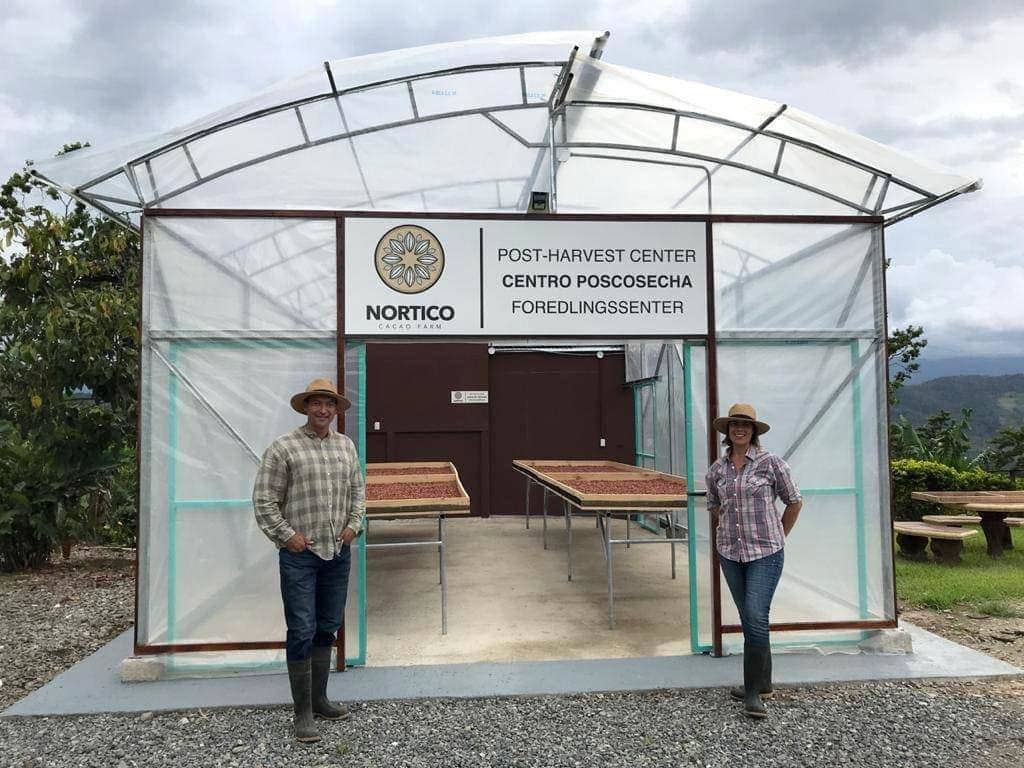
A full day on a family coffee and cacao farm, working the crop from soil and altitude through fermentation and roast. It is applied chemistry and agronomy on a working finca rather than a tasting, and it is the clearest example on the trip of the sourcing and staying local that you both noticed while you were here.
Day 3
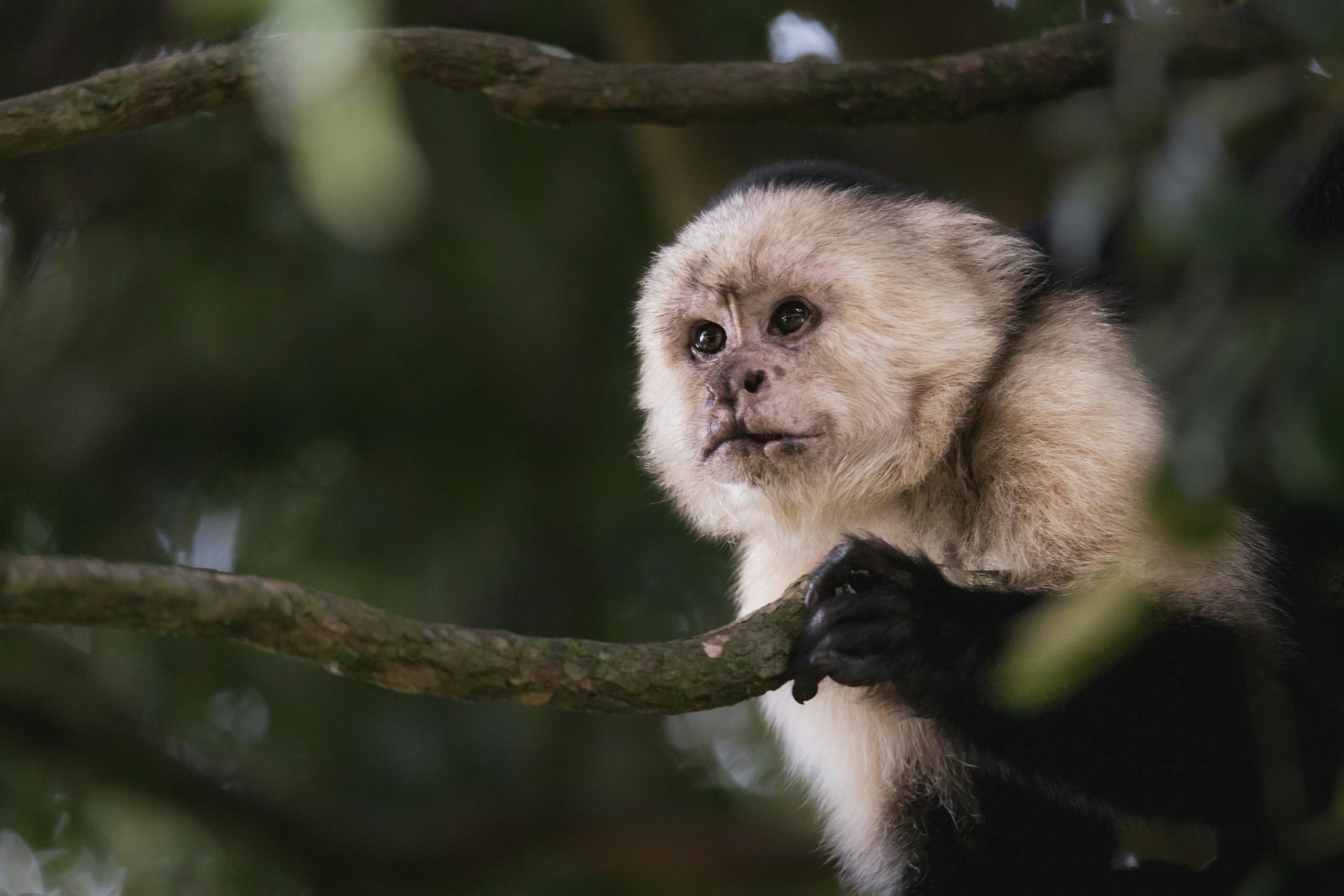
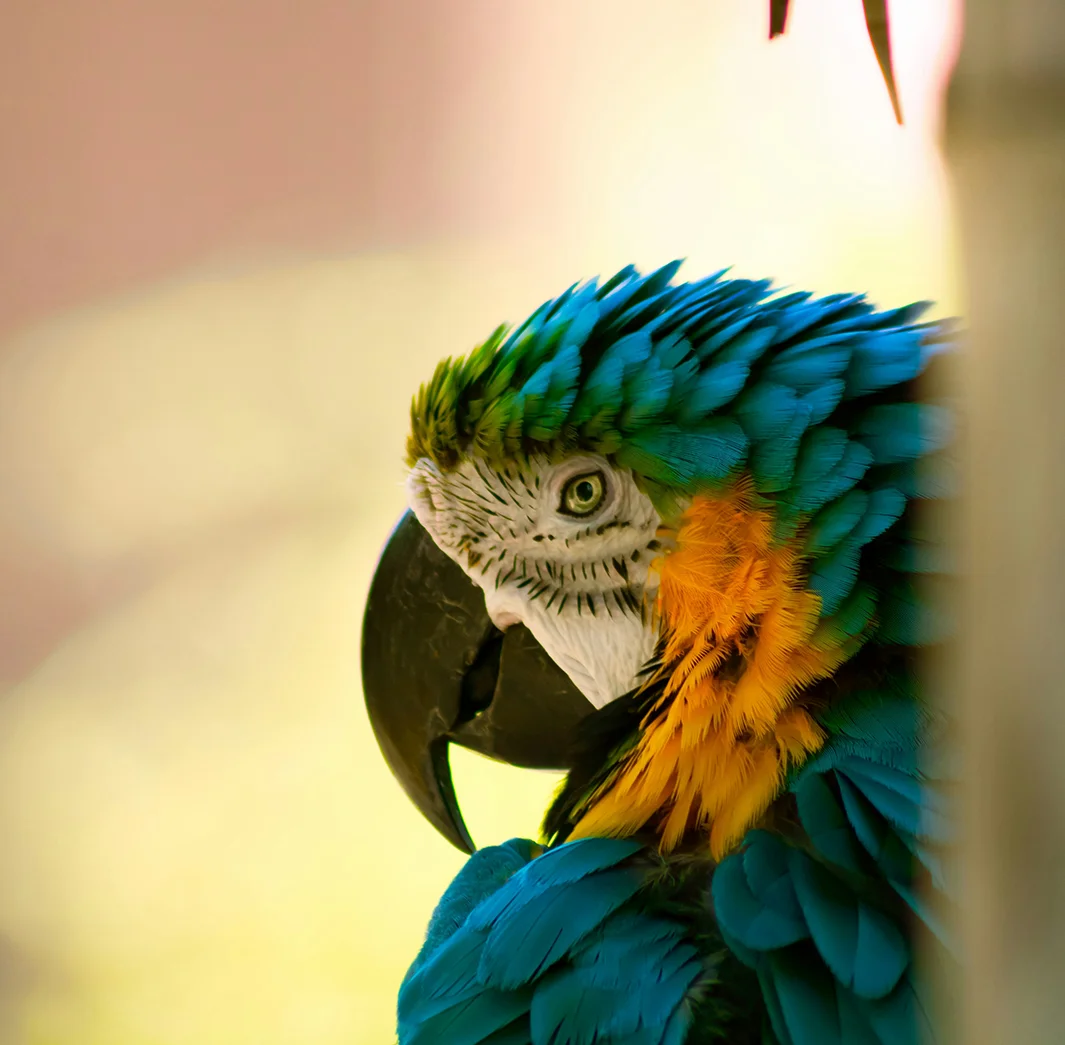
The first of the long walks, out on the trails above the valley with a naturalist guide, and the day the bird list starts. Costa Rica does not make you look hard for biodiversity, it simply presents it. In the evening, a lecture from Edgar or Marvin on what the group has been walking through, which is the format you asked for by name.

Day 4
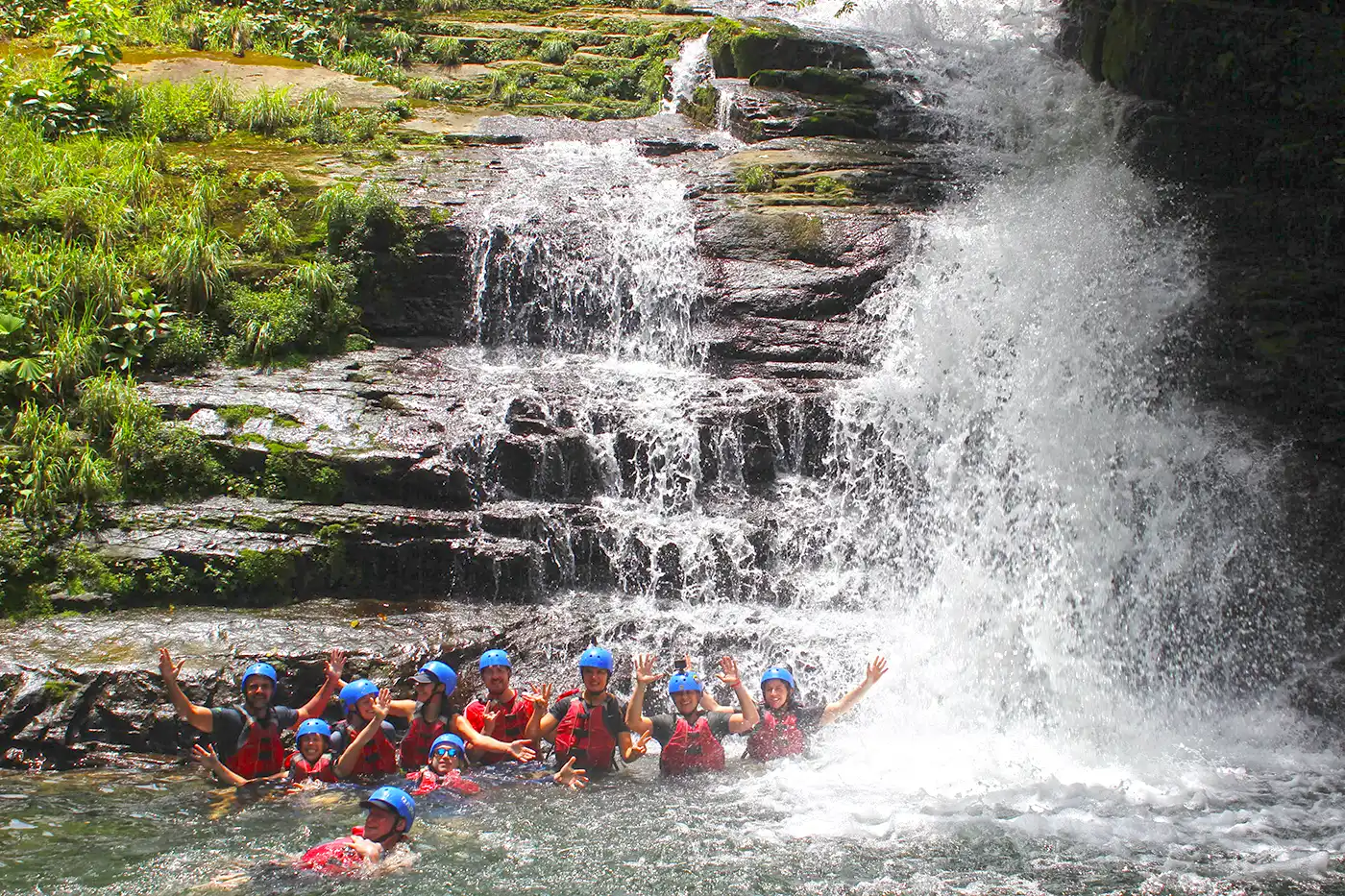
We raft into our lodge on the Pacuare. The river is the only way in, so there is no road arrival and no gradual transition, you are simply somewhere else. The lodge is the base for the science half of the trip, and everything from here on happens within walking distance of it.
Day 5
The project with data. Students collect and analyse water samples along the river and its feeder creeks, work through what freshwater species presence says about the health of a system, and build a dataset they can carry home rather than a memory of having done science. Evening lecture and a night hike afterwards.
Day 6
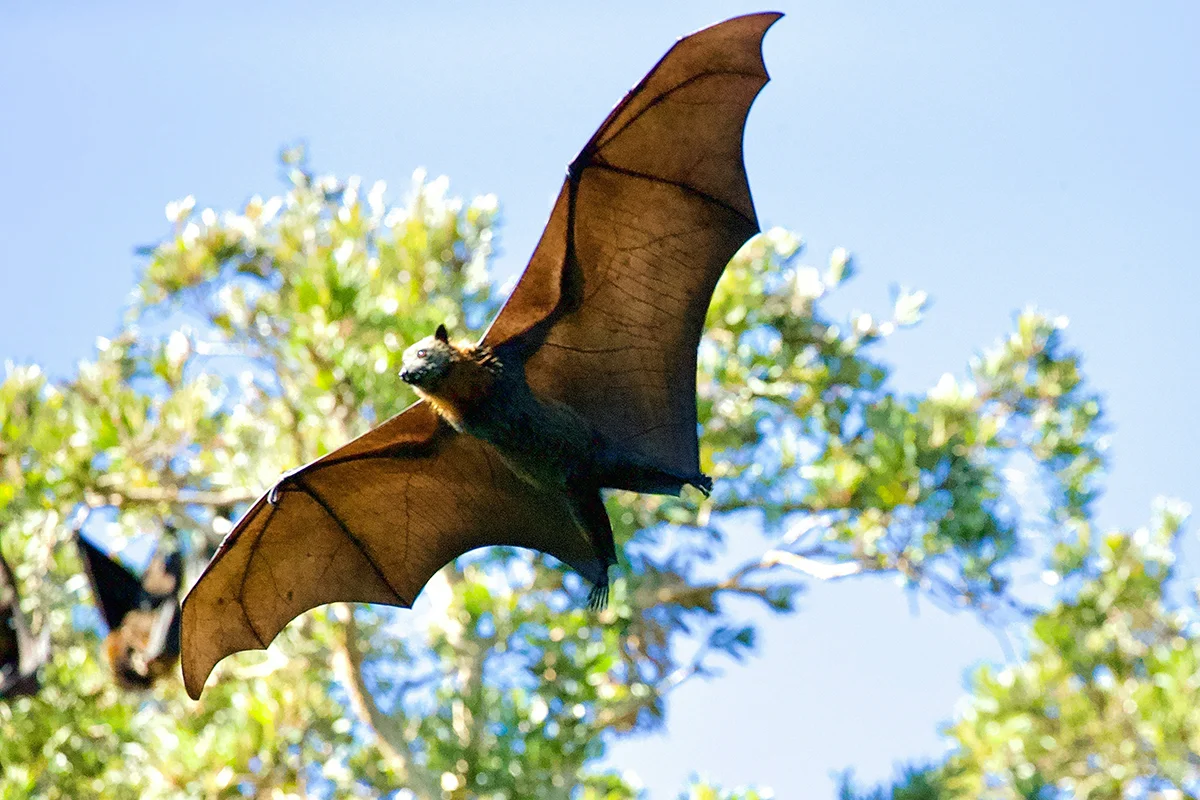
Butterflies by day, and after dark the lodge runs two studies side by side. The bat work is one: nets set after dinner, then microscopes the following morning on what the captures show about pollination and seed dispersal. The other is an insect light trap, a sheet and a lamp at the forest edge, with Edgar guiding the identification of the moths and beetles it draws in, real collecting rather than a look and move on. This is the day the students have something concrete to write their reports on.
Day 7
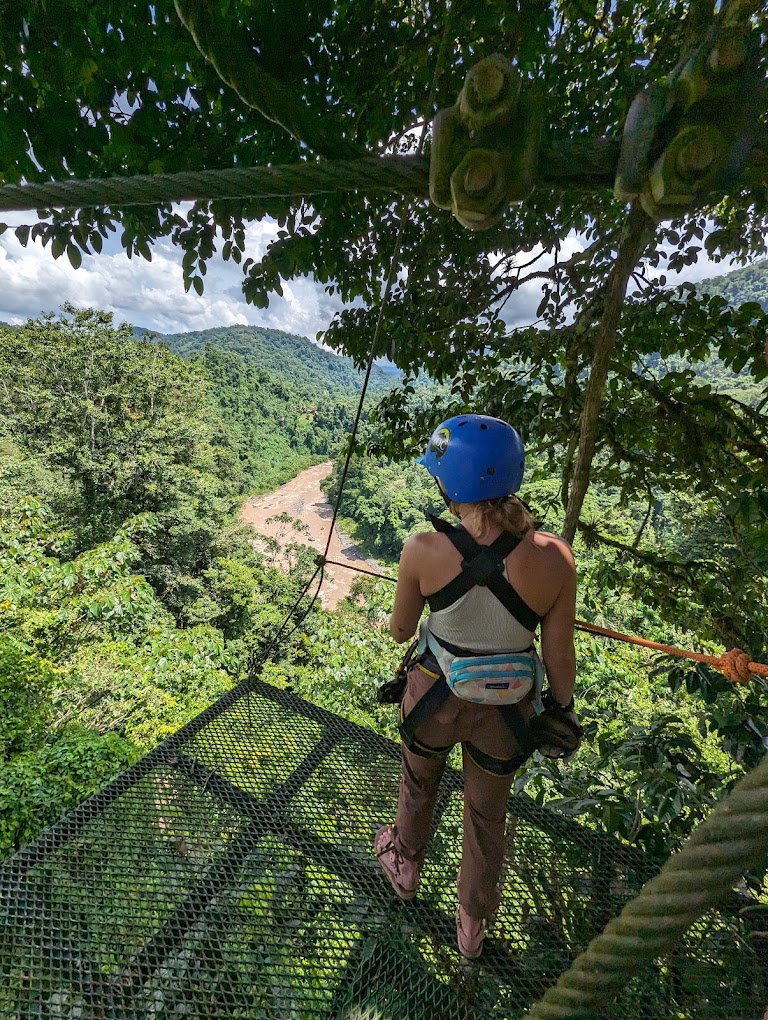
The canopy course and the Tarzan swing in the morning, then a final walk out on a different trail from the earlier ones. In the afternoon we stop in the local town on the way out, which is the place to find something to take home and costs nothing extra to include.
Day 8, Departure
Breakfast and then the drive to the airport, kept short by finishing on this side of the country. We get you there with time to spare, say our goodbyes, and send you home with a full notebook and a bird list.
